 Prospanel
What happens to my electricity bill when solar panels produce more power than I use
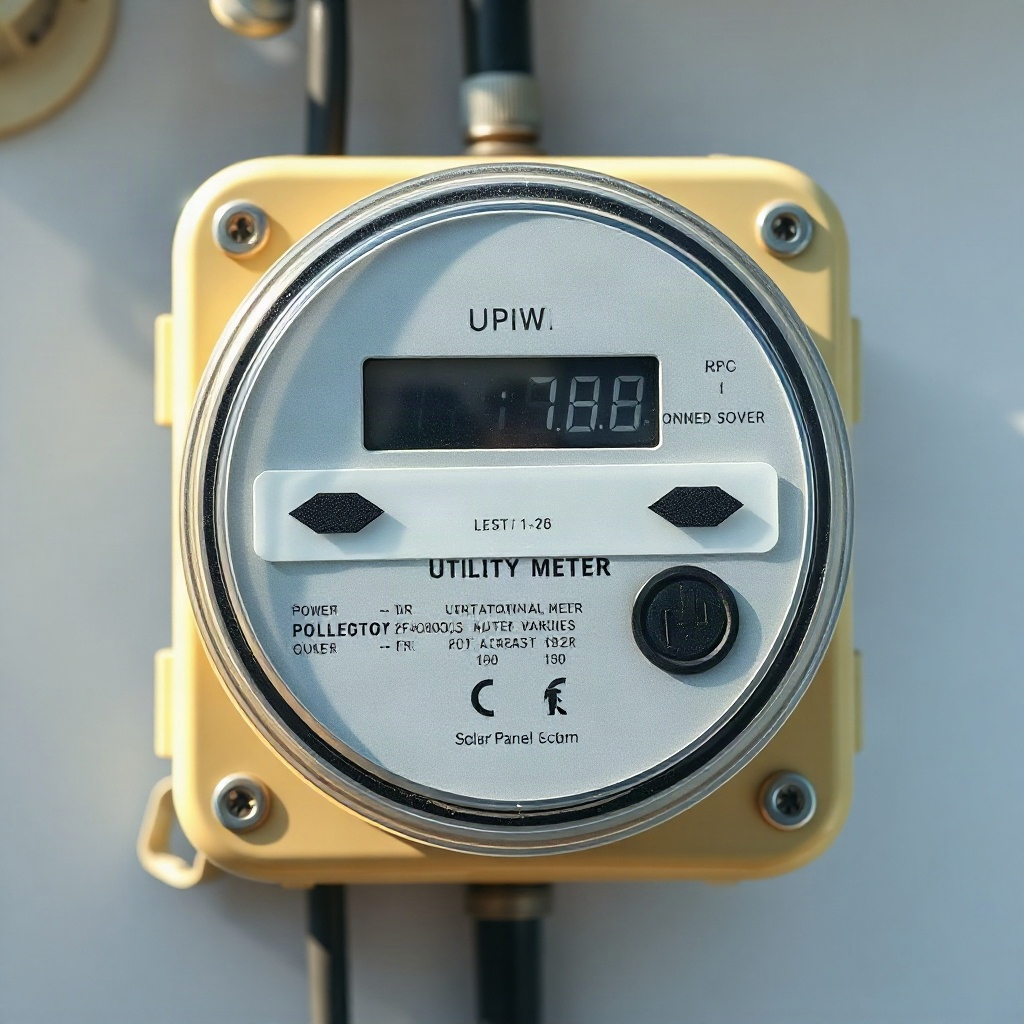
Net metering is how solar homes benefit when production exceeds consumption. Understanding your utility's rules prevents surprises on bills.
Standard net metering
With net metering, excess solar power flows back to the grid and your meter runs backward, crediting your account at the same rate you pay for electricity. On net, you only pay for the difference between what you use and what you generate. Most states mandate net metering for solar customers, but policies vary by utility.
Variations and exceptions
Some utilities offer net metering credit at a lower rate than retail electricity, reducing your financial benefit. A few areas have eliminated net metering entirely. Check your utility's net metering policy before installing panels. The difference between favorable and unfavorable net metering can change your payback timeline by several years. Ask your installer to explain your specific utility's rules. Some utilities also cap how much excess power you can credit in a month or carry to the next billing period.